Wedgewood-Houston: Nashville’s Creative Engine
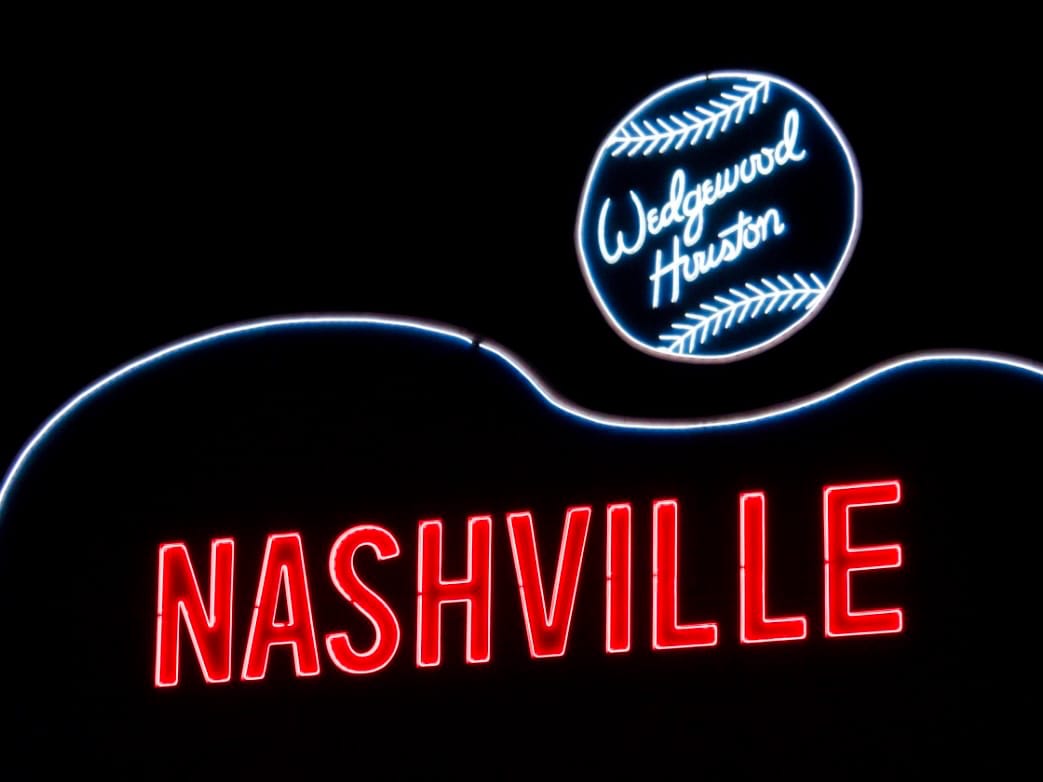
Past / Present / Future — A Neighborhood in Motion
Wedgewood-Houston is one of those neighborhoods that doesn’t make sense on paper until you actually walk it. It’s a place where old industrial blocks and new creative spaces all sit shoulder to shoulder, giving the area a layered, lived-in feel.
Warehouses and galleries. Coffee shops tucked into old factories. Dive bars beside train tracks — and one block over, a private club and a luxury boutique. It’s a creative district that turned into a residential hub almost overnight, yet still holds onto the quirks that made it special in the first place.
For people relocating to Nashville, Wedgewood-Houston (or “WeHo”) can be easy to overlook in favor of more familiar names. But if you spend any real time here, the character of the neighborhood starts to reveal itself. It’s thoughtful, expressive, slightly rough around the edges, and constantly changing — in all the ways that give a city its personality.
It’s where I wanted to start this neighborhood series because it tells you so much about how Nashville is evolving, and what it feels like to be part of that evolution.
The Past: Industrial Bones and Creative Roots
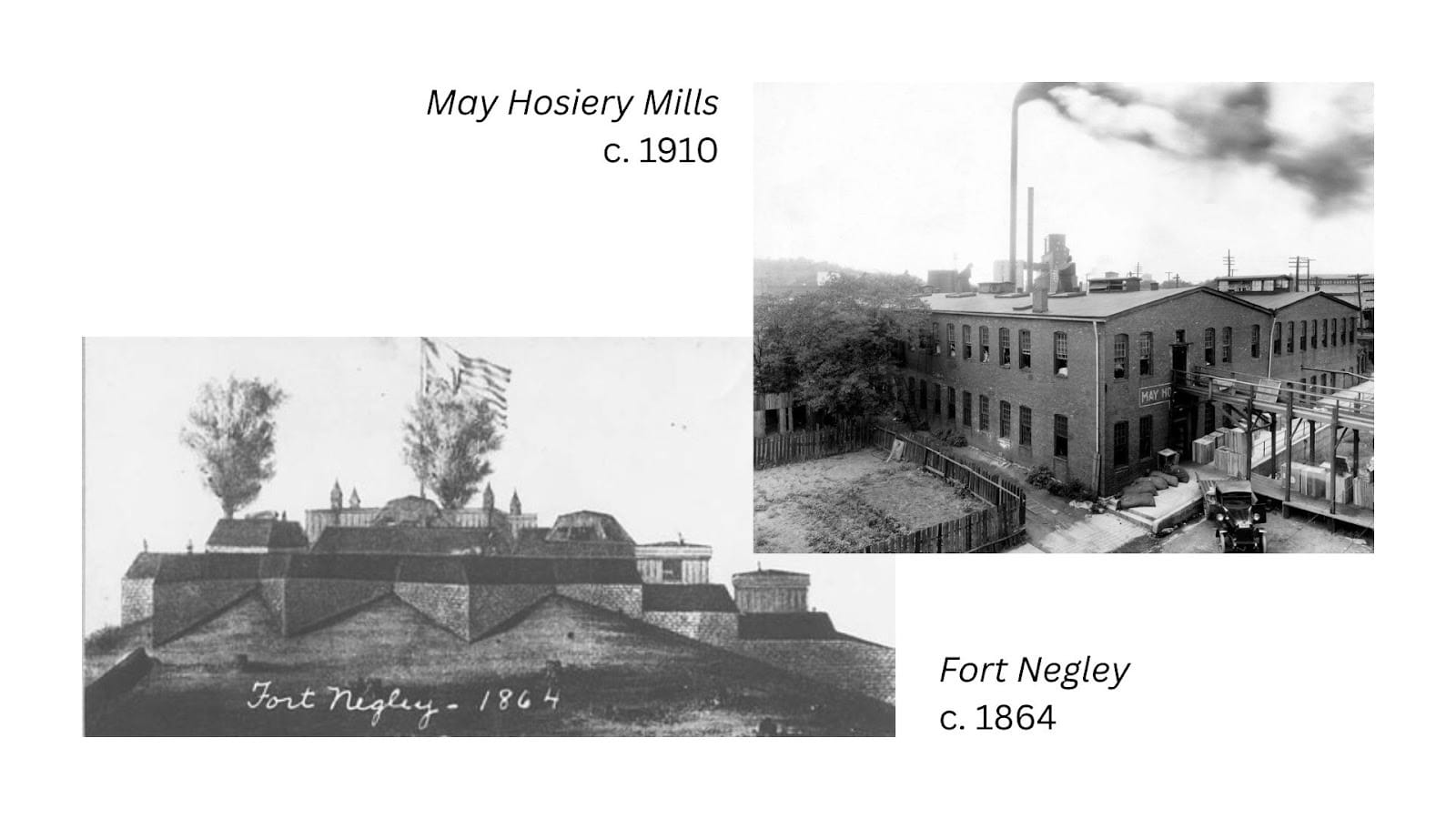
Atop St. Cloud Hill, Fort Negley was built in 1862 and stands as the oldest major landmark still visible in the neighborhood. With one of the most impressive overlooks of Nashville, it reminds us that this ground has been repurposed many times — first military, then industrial, now residential and creative.
Industrial life in Wedgewood-Houston took shape in the early 1900s, when rail spurs cut through South Nashville and factories followed the tracks. Warehouses, mills, shops, and smokestacks filled the landscape — not glamorous, but efficient, and for decades this area was one of Nashville’s economic workhorses.
Like many manufacturing hubs, shifting freight patterns and industrial relocation eventually left WeHo with more space than activity. What remained were the bones — brick-and-timber buildings, loading bays, and wide-open floors — waiting for someone to give them a second life.
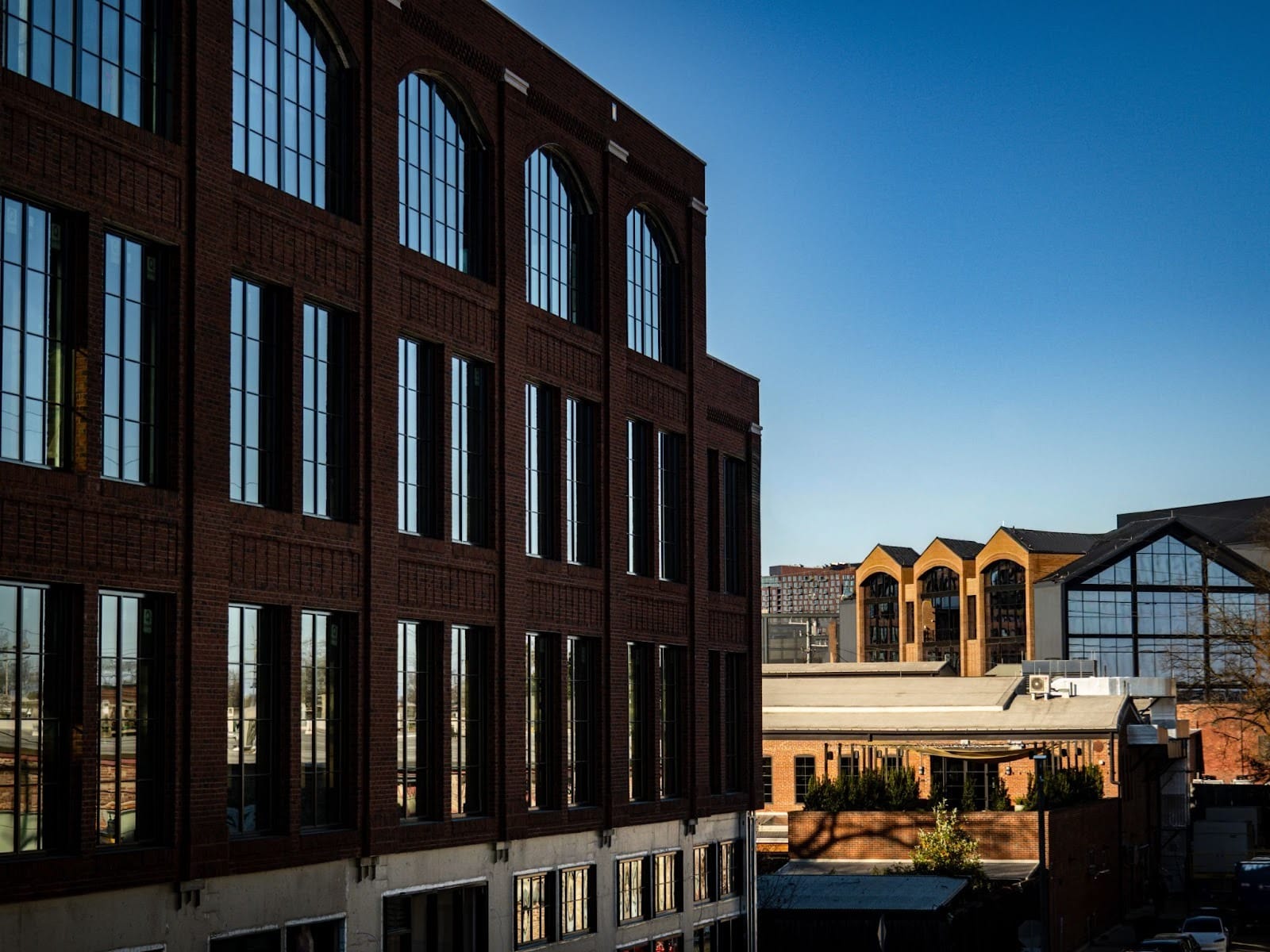
By the early 2000s, adaptive reuse had begun. Studios moved into old factories. Printmakers, metalworkers, and other creatives found homes in buildings that weren’t designed for beauty but ended up inspiring it. Long before new restaurants arrived or residential development picked up, the neighborhood had a heartbeat — built on experimentation, craftsmanship, and a willingness to repurpose what already existed.
Not all of those early spaces remain, but their influence still shapes how WeHo sees itself.
The Present: Where the City Experiments
Today, Wedgewood-Houston is one of Nashville’s most dynamic cultural hubs. It has grown, yes — but the growth feels organic, layered, and intentional. The area hasn’t abandoned the creative DNA that defined it.
You’ll still find the classic anchors:
- Art studios and galleries
- Print shops and design houses
- Maker spaces and small workshops
But now they sit alongside cafés, breweries, cocktail spots, and restaurants that draw people from across the city. On weekends, the neighborhood’s energy picks up as people move through its blocks to grab dinner, meet up with friends, or stop by a local event.
The overall vibe of the neighborhood is unique in Nashville:
- Laid-back but ambitious
- Quieter during the week, lively on weekends
- Refined without being pretentious
- Creative without being chaotic
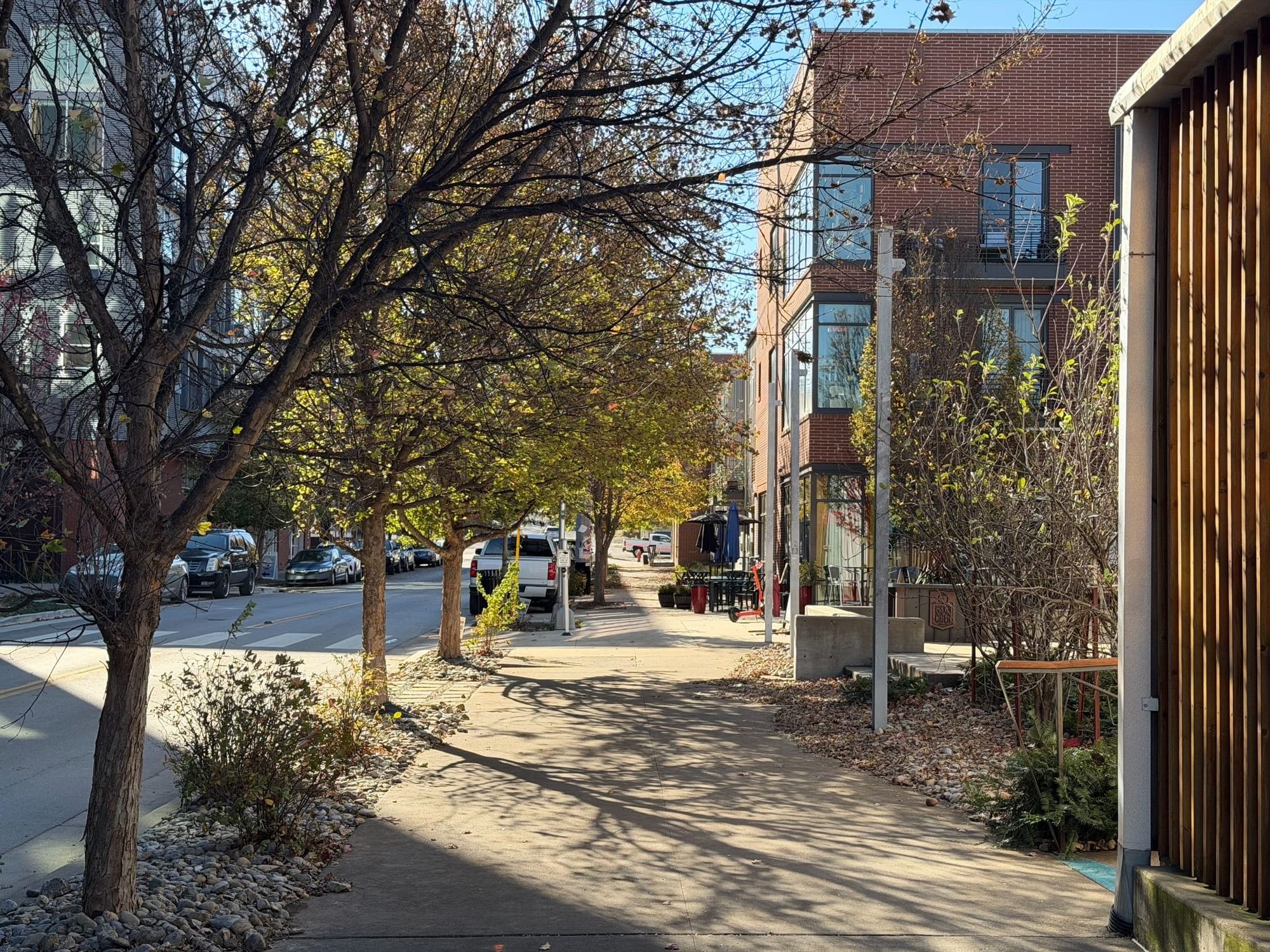
Walkability is a big part of the charm. You can walk to grab coffee or cocktails, run into familiar faces, and feel like you’re in a neighborhood that’s changing in real time.
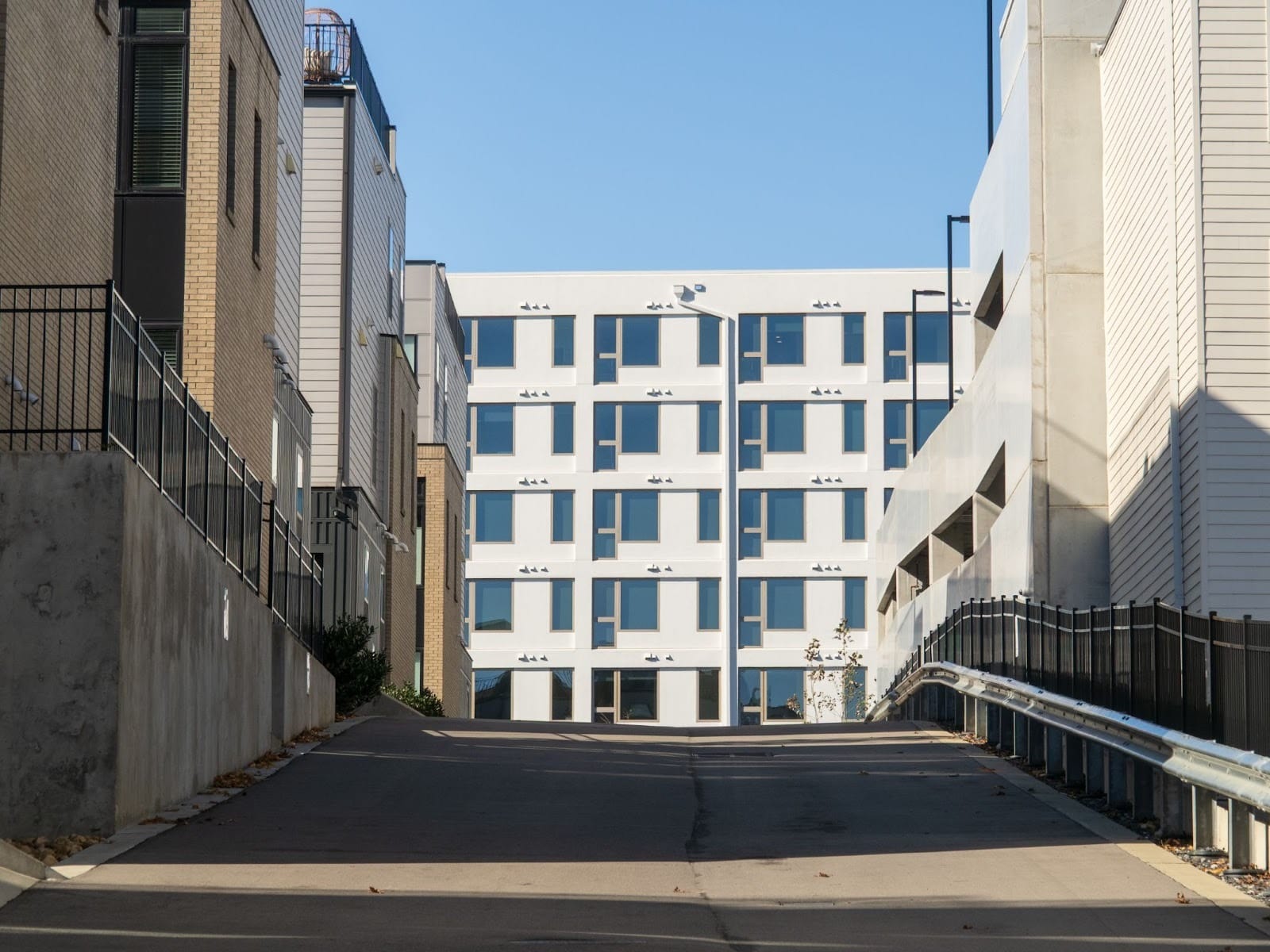
Residential pockets reflect this blend, too: renovated industrial buildings, newer communities, older homes, and modern condos — each adding a different texture to the area.
And of course, there’s the train — not just background noise, but another reminder that this was a working district long before it became a creative one. In true WeHo fashion, a local resident even built an app that tracks it in real time. It’s avoidable if you want it to be, but if you spend enough time here you’ll have to get to know the trains — they’re part of the rhythm here.
Wedgewood-Houston feels like a place where people come to build things — whether that’s art, a business, a new project, or simply a new chapter in Nashville.
The Future: Growth That Still Feels Human
The next few years will continue shaping Wedgewood-Houston.
Expect to see:
- More thoughtfully integrated residences
- More local businesses and creative ventures
- Better walkability and streetscape improvements
- Older industrial spaces being reimagined rather than replaced
- A new 4,400-capacity indoor music venue
The hope is that the growth continues to build on the identity already here — honoring the neighborhood’s roots while inviting new ideas and new energy.
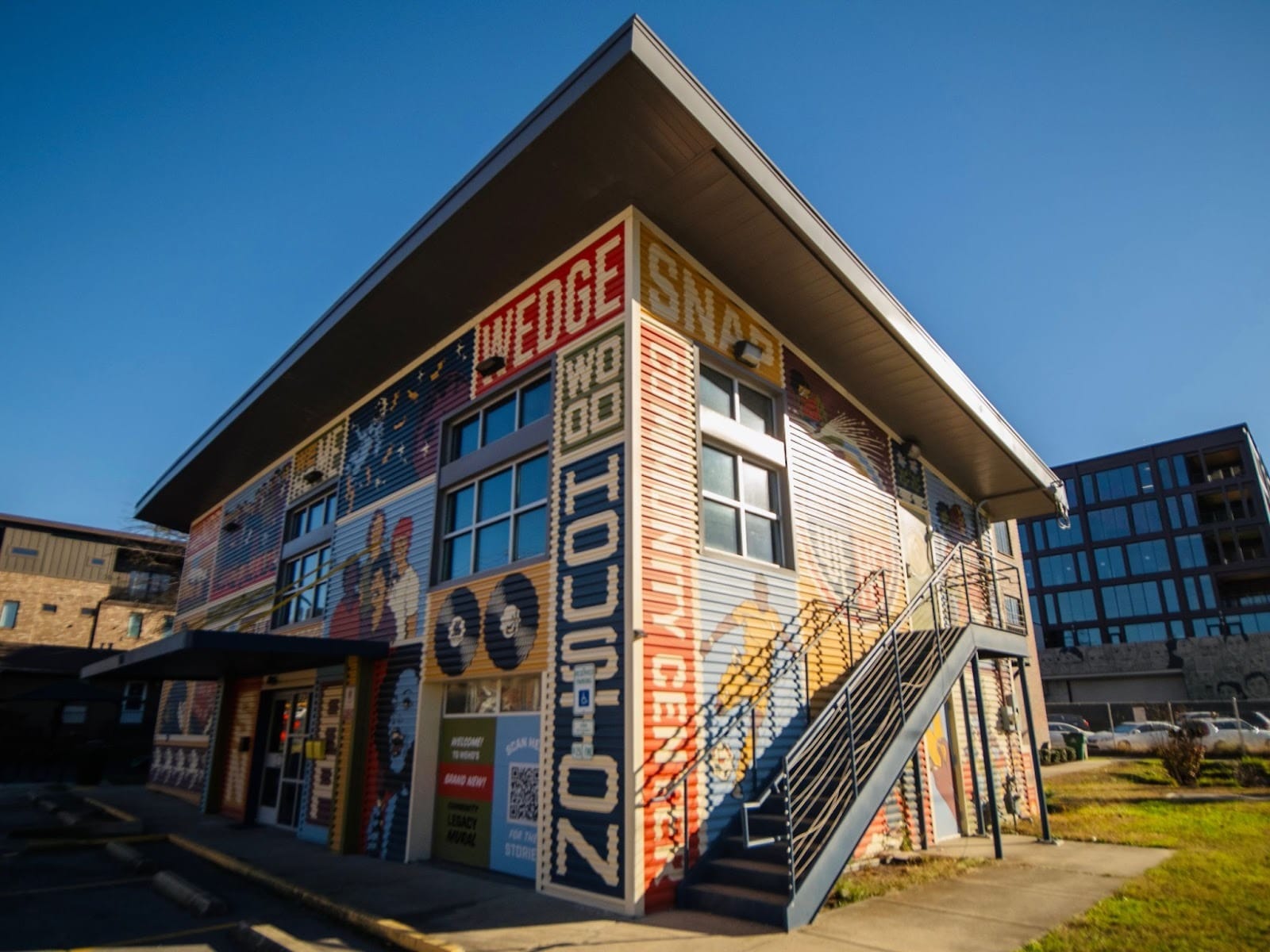
Local groups such as South Nashville Action People (SNAP) still play an active role in the neighborhood’s evolution, tracking development, hosting services at the community center on Martin Street, and giving residents a voice in how the area grows.
For newcomers and longtime residents alike, WeHo is likely to stay interesting for a long time.
Who Wedgewood-Houston Tends to Appeal To
Every neighborhood naturally resonates with certain lifestyles, depending on its character and daily rhythm. Wedgewood-Houston often appeals to people who:
- Enjoy walkable surroundings
- Appreciate art, design, or maker culture
- Prefer a mix of quieter weekdays and livelier weekends
- Value unique, lived-in neighborhoods over heavily polished ones
- Want to be close to downtown without being directly in the middle of it
Many residents have been here long before the recent wave of growth, and that continuity adds depth to the area’s identity. You don’t need to be part of any particular scene to enjoy living here — you just need to appreciate the sense of creativity and ongoing evolution that the neighborhood is known for.
Why I’m Sharing This Series
My goal as a Leasing & Relocation Consultant isn’t just to match people with buildings — it’s to help them understand Nashville in a way that feels personal, grounded, and useful. Choosing a neighborhood is one of the most important parts of relocating, and it deserves more than a few bullet points on a map.
Wedgewood-Houston is a place I’ve gotten to know well over the years, and it’s one of the clearest examples of Nashville’s creative evolution. I hope this guide helps you get a feel for it, whether you’re moving to the city or simply exploring what makes each neighborhood unique.
If you ever have questions about finding the right area for your move — or just want a recommendation — I’m always happy to help.

Ioan Ozarchevici
Leasing & Relocation Consultant, Nashville Apartment Locators
License #369903
C: 615.602.3000
O: 615.606.APTS
700 Craighead St., Suite 200
Nashville, TN 37204